Coachella Isn’t About Music Anymore
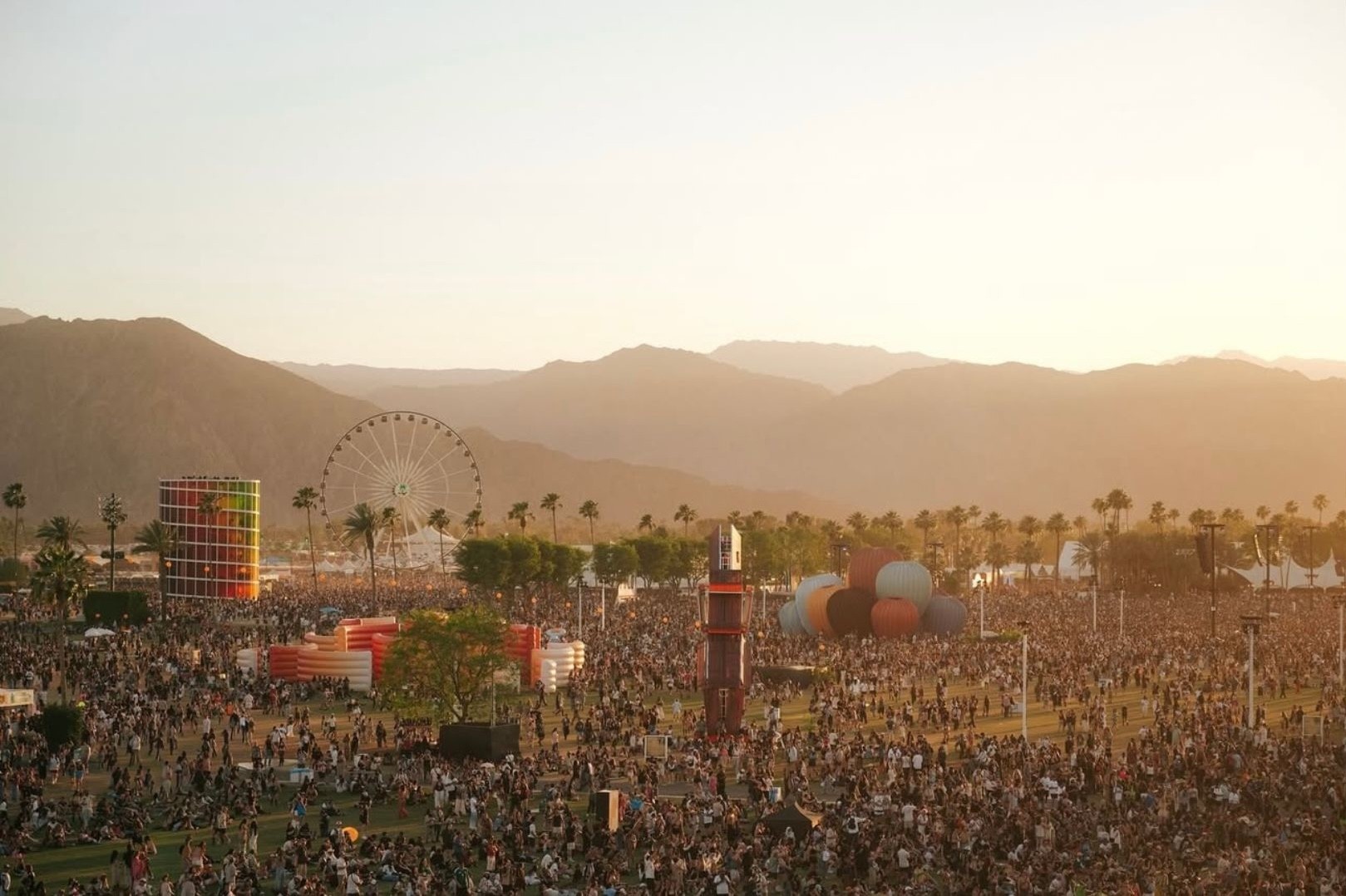
There was a time when Coachella represented something more than what could be captured on a screen. It was defined by music, movement, and a sense of collective experience, where style emerged naturally, shaped by environment rather than for show. What was worn felt organic, a reflection of the moment. Now, as the festival has evolved into one of the most documented events in the world, the question is no longer what Coachella represents, but who it is really for.
Coachella today exists as much online as it does in reality. Days are structured around filming content, outfits are planned in advance, and the experience itself is often secondary to how it will be perceived. Influencers arrive not simply to attend, but to produce. Every look is captured, every moment documented, every interaction shaped with visibility in mind. The festival becomes less about presence and more about projection, less about participation and more about performance.
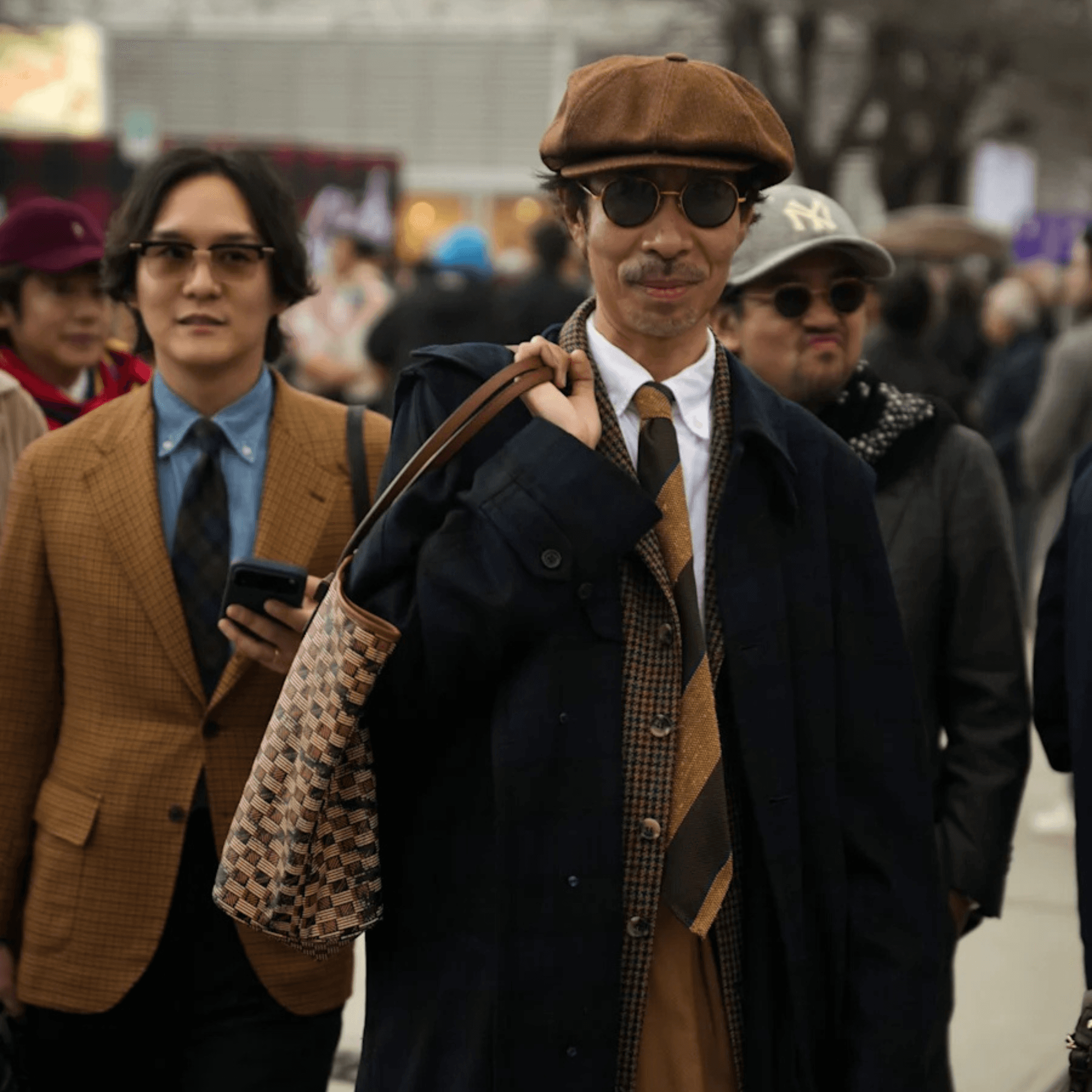
Central to this shift is the rise of what has become known as “festival style”. Once a celebration of music and culture, it now operates as a form of visual content, designed to promote brands and so-called influencers. Outfit inspiration is created, consumed, and replicated, yet increasingly detached from the environment it originated in. The irony, however, is difficult to ignore. As Coachella becomes more expensive and more exclusive in practice, the very audience consuming this inspiration is often unable to access the experience itself. The result is a form of fashion that is widely viewed but rarely lived, aspirational in appearance, yet disconnected in reality.
This is not to suggest that content itself is the issue. Fashion has always existed in the media realm and documentation has long played a role in shaping its influence. What has changed is the relationship between the two. When the experience becomes secondary to its documentation, something essential is lost. The act of being present is replaced by the act of being seen, and in that shift, the meaning of the event begins to alter.
Coachella, in this sense, reflects a broader cultural movement. Across fashion, travel, and lifestyle, experiences are increasingly constructed with their digital afterlife in mind. Moments are anticipated not for how they will feel, but for how they will appear. The line between living and performing becomes increasingly blurred, until the two turn into one. What was once spontaneous becomes staged, what was once personal becomes public, and what was once experienced becomes content.
And yet, the appeal of Coachella remains. The idea of it, the aesthetic of it, the cultural weight it carries, continues to hold influence. Perhaps this is why the transformation feels so pronounced. It is not that Coachella has lost its relevance, but that it isn’t about music anymore. It no longer exists primarily as a music festival, but as a platform through which fashion, culture, and visibility intersect.
Whether this evolution enhances or diminishes the experience depends on perspective. There is no denying the reach, the influence, and the cultural impact it now holds. But in becoming something designed to be seen, Coachella risks losing the very presence that once defined it. The question is not whether Coachella has changed, but what that change represents. And more importantly, whether, in the pursuit of visibility, something more meaningful has been left behind.
Imagery via @lilbieber and @coachella on Instagram.